An animal component-free medium that supports robust expansion and maintenance of pluripotent stem cell culture for enhanced consistency and reproducibility
Key Benefits
Ready-to-use: Complete all-in-one formulation, no growth factor supplementation required
Animal component-free: Ideal for translational research
Robust: Superior expansion and maintenance of undifferentiated iPSCs
Consistent: Reproducible results
Flexible: Compatible with a variety of matrices and cell lines
Stable: Maintains cell viability, genotype and differentiation potential over long-term culture
Species
Human
Product Summary for ExCellerate™ iPSC Expansion Medium, Animal Component-Free
Why Use ExCellerate™ iPSC Expansion Medium?
ExCellerate™ iPSC Expansion Medium is specifically formulated for the in vitro, feeder-free expansion of human pluripotent stem cells, including embryonic stem (ES) and induced pluripotent stem (iPS) cells. The formulation is complete and contains the growth factors required to support iPSC expansion and maintenance in a single, ready-to-use format. This simplifies stem cell culture workflows and provides a reproducible cell culture environment to ensure consistent performance.
No materials of animal or human origin are used in the production of this medium or its components. Elimination of animal-derived components reduces variability and improves lot-to-lot consistency for reliable generation of high quality, homogenous, and undifferentiated cells needed for any stage of research. Animal component-free traceability of raw materials reduces risk and makes it ideal for translational research. An animal-free, GMP grade version is available to support a seamless transition into clinical applications.
The composition of ExCellerate™ iPSC Expansion Medium is optimized to support the robust expansion of pluripotent stem cells, while maintaining cell viability, genotype and differentiation potential for extended times in vitro. WiCell has concluded that ExCellerate™ iPSC Expansion Medium has met all WiCell requirements for quality and is appropriate for pluripotent stem cell culture.
This medium is compatible with various cell culture matrices, including Cultrex Ultimatrix, Cultrex ReadyBME and Recombinant Human Vitronectin, and cell lines, making it versatile for use in research, preclinical, and translational stem cell culture workflows.
Loading...
Product Specifications
Osmolality
280-350
Additional Testing
None
Scientific Data Images for ExCellerate™ iPSC Expansion Medium, Animal Component-Free
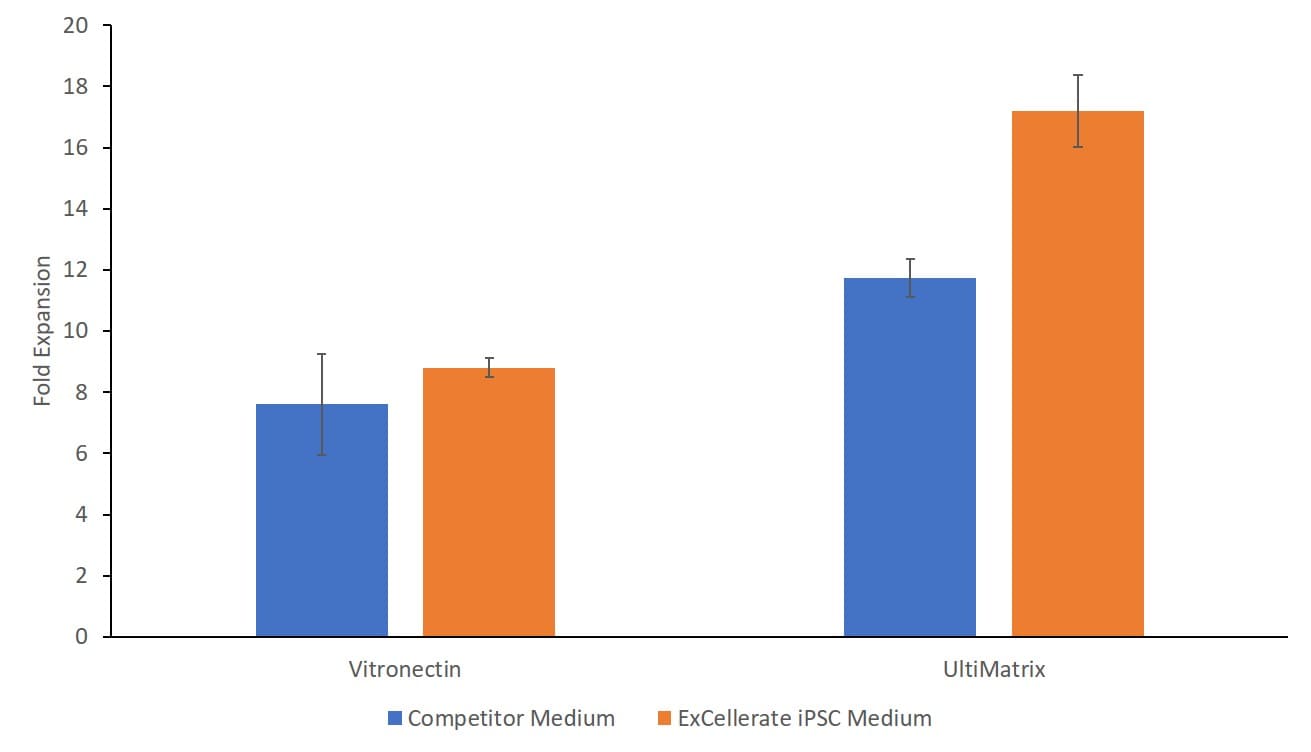
Figure 1. Superior expansion of hiPSCs with ExCellerate™ iPSC Expansion Medium.
Human iPSC were maintained in either ExCellerate™ iPSC medium or a competitor’s iPSC medium on different substrates: Recombinant Human Vitronectin (Catalog # 2308-VN) or Cultrex™ UltiMatrix (Catalog # BME001) for 3 days in 6 well plates. Colonies were then dissociated as single cells and counted to obtain fold expansion. Initial cell seeding density was 50,000 cells per well. Graph is displayed as Average ± SEM.
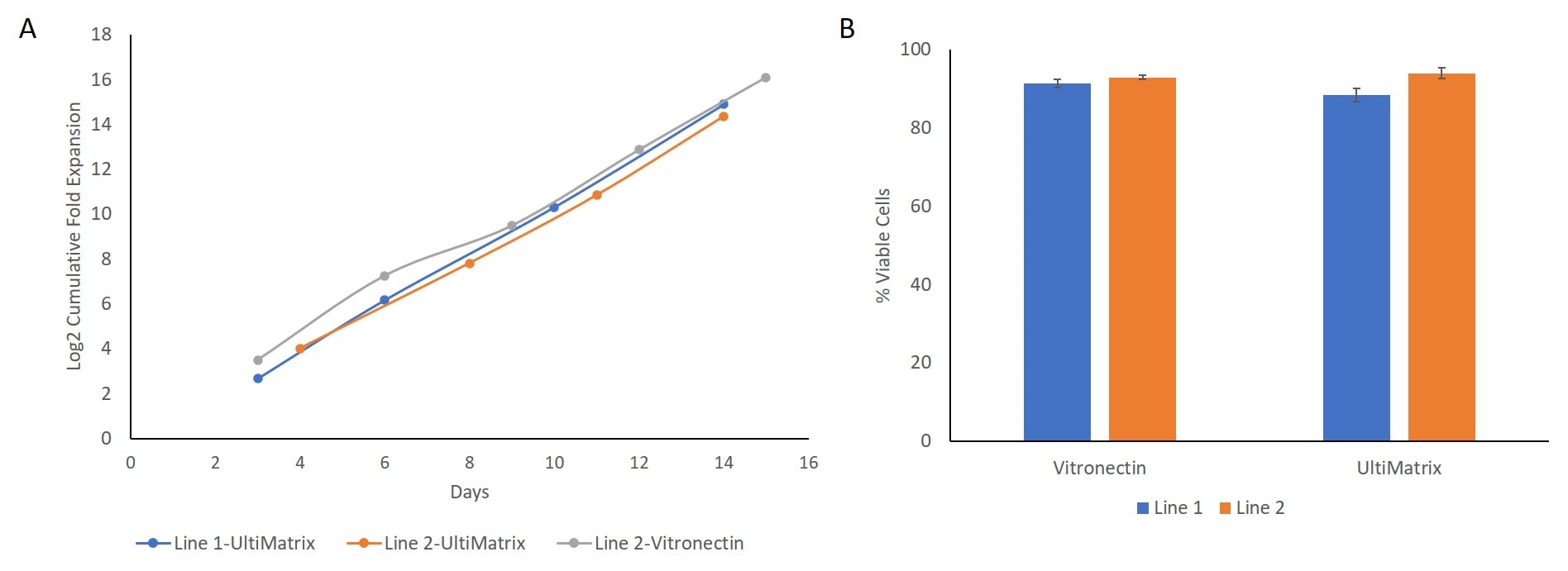
Figure 2. Consistent performance with ExCellerate™ iPSC Expansion Medium across cell lines and matrices.
Different human iPSC lines maintained in ExCellerate™ iPSC Expansion Medium showed minimal line-to-line variability in cumulative fold expansion over 15 days (A) and exhibit greater than ~90% viability after 4 days in culture (B). Graph is displayed as average ± standard deviation. Cell lines were cultured on Cultrex™ UltiMatrix (Catalog # BME001), Recombinant Human Vitronectin (Catalog # 2308-VN).
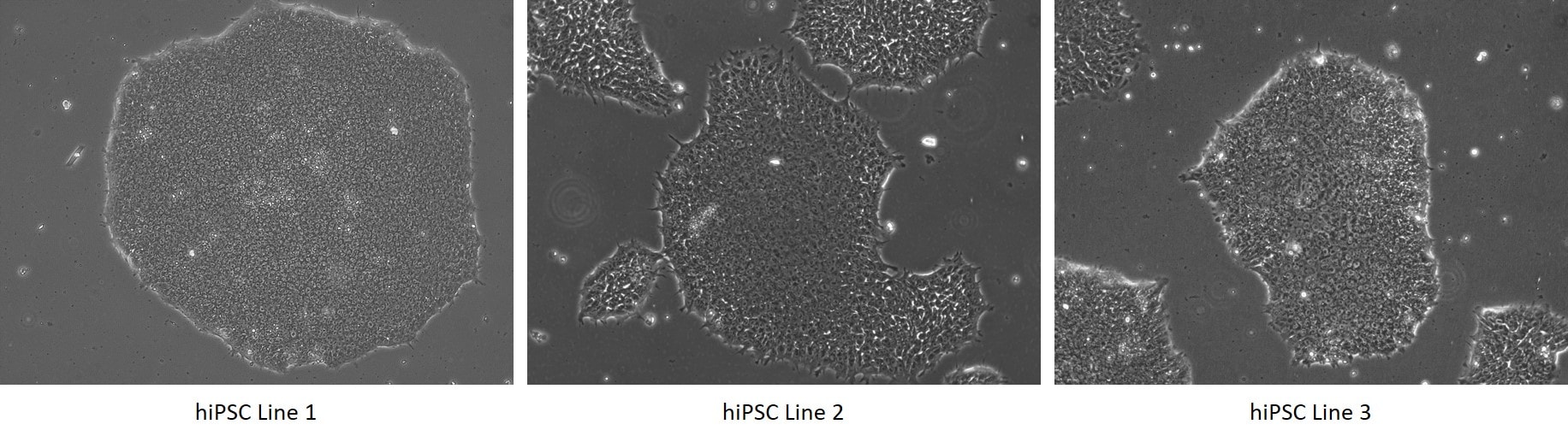
Figure 3. Human iPSCs cultured in ExCellerate™ iPSC Expansion Medium show characteristics of classic hiPSC colony morphology consistently across cell lines.
Different hiPSC lines grown using Cultrex UltiMatrix (Catalog # BME001) and cultured in ExCellerate™ iPSC Expansion Medium show healthy rounded colony morphology and characteristics such as compact cells and clearly defined smooth colony edges.
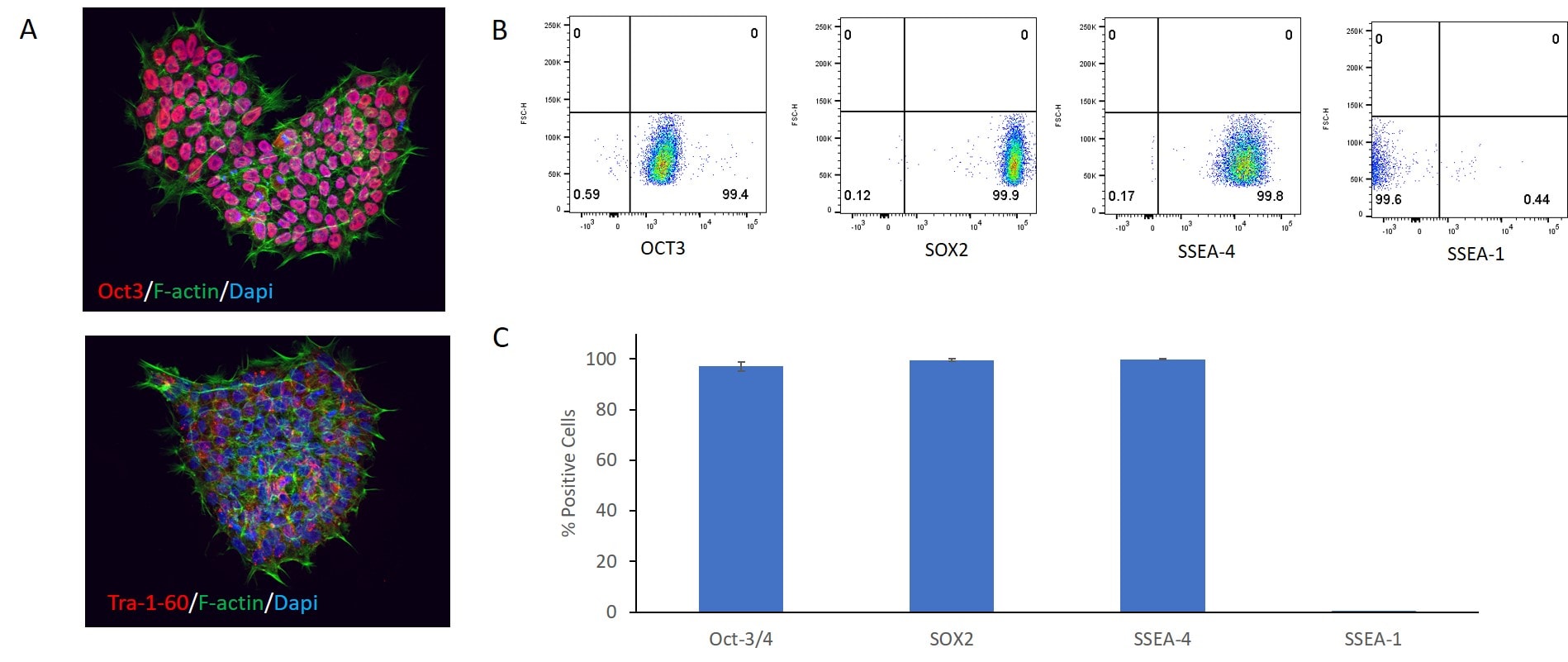
Figure 4. HiPSCs cultured in ExCellerate™ iPSC Expansion Medium maintain expression of stemness markers over long-term culture.
HiPSC lines grown using Cultrex UltiMatrix (Catalog # BME001) and maintained in ExCellerate™ iPSC Expansion Medium express undifferentiated stem cell markers OCT3/4 (red, Catalog # AF1759) and Tra-1-60 (red, Catalog # MAB4770) along with F-actin (green) and DAPI (blue, Catalog # 5748) (A). HiPSC lines express high levels of OCT3/4, SSEA-4, SOX2, and no SSEA-1 as assessed by flow cytometry (Catalog # FMC001). Undifferentiated stem cell marker expression is greater than 97% across 4 cell lines after more than 45 passages (B-C). Graph is displayed as average ± standard deviation.
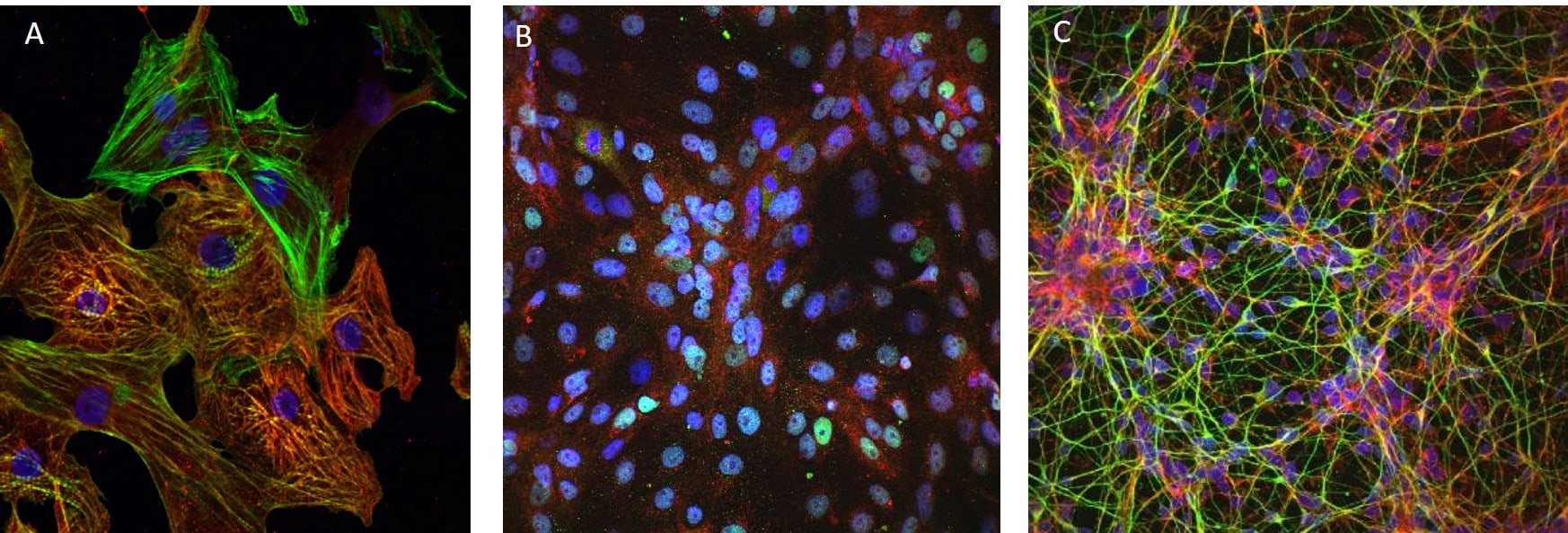
Figure 5. HiPSCs maintained in ExCellerate™ iPSC Expansion Medium differentiate into cardiomyocytes, hepatocytes and neurons.
HiPSCs maintain their pluripotency in ExCellerate™ iPSC Expansion Medium and can differentiate into cells of the three germ layers (Catalog # SC027B). Shown here are images of hiPSC derived cardiomyocytes (mesoderm, Catalog # SC032B) expressing cardiac troponin T (cTNT1, red, Catalog # MAB1874), F-actin (green) and DAPI (blue, Catalog # 5748) (A); hepatocytes (endoderm, Catalog # SC033) showing expression of albumin (red, Catalog # MAB1455), HNF4a (green, Catalog # PP-H1415) and DAPI (blue) (B); and neurons (ectoderm, Catalog # SC035) expressing N-cadherin (red), Tuj1 (green) and DAPI (blue)(C). Cells were grown using Cultrex UltiMatrix (Catalog # BME001).
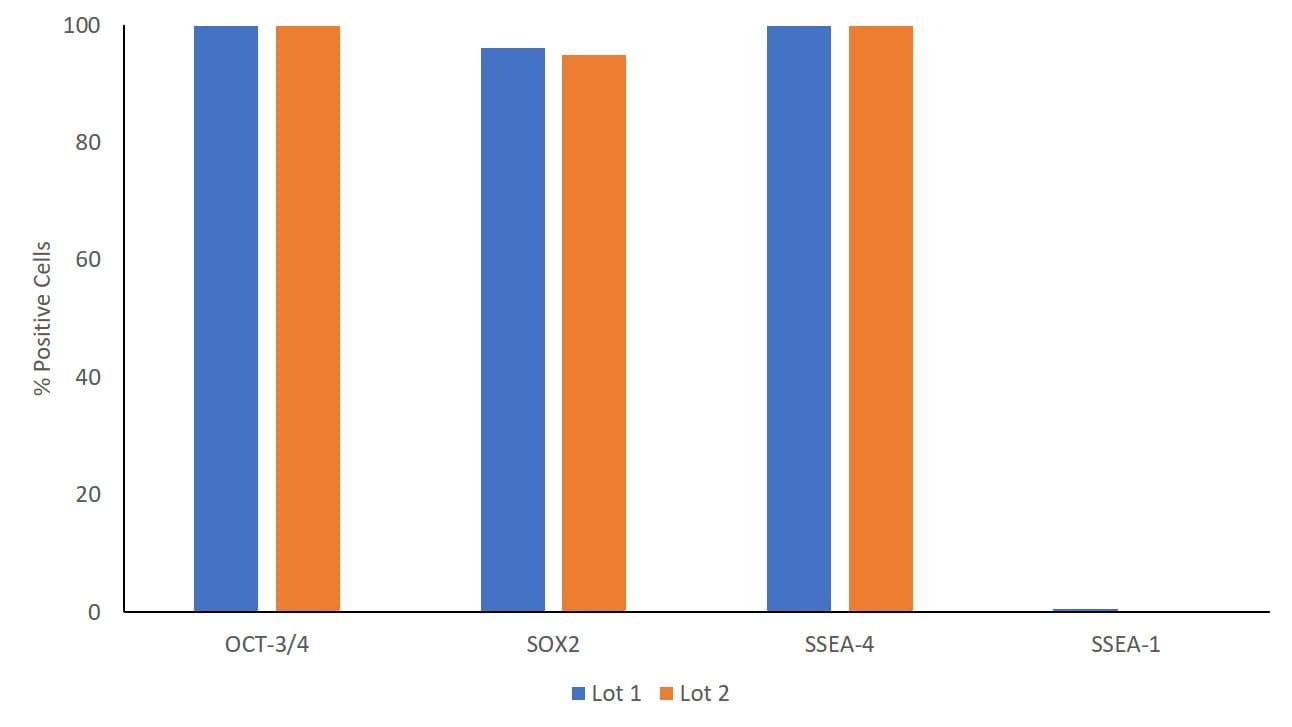
Figure 6. Lot-to-lot consistency with ExCellerate™ iPSC Expansion Medium.
Human iPSC lines grown using Cultrex UltiMatrix (Catalog # BME001) and cultured in different lots of ExCellerate™ iPSC Expansion Medium express high levels of undifferentiated stem cell markers OCT-3/4, SOX2, SSEA-4 and no SSEA-1 as assessed flow cytometry (Catalog # FMC001).
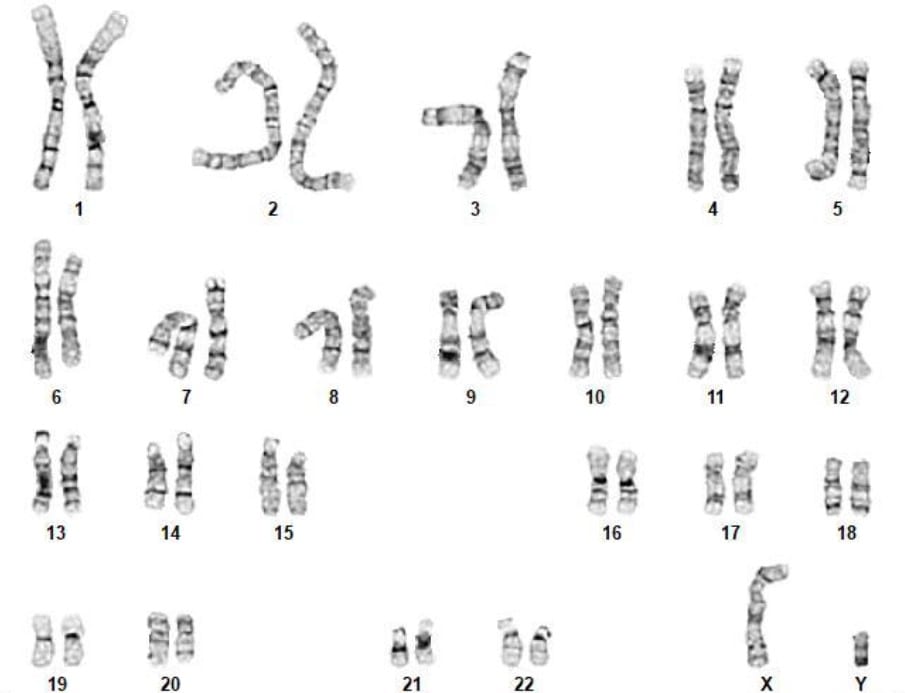
Figure 7. HiPSCs cultured in ExCellerate™ iPSC Expansion Medium show normal karyotype.
HiPSC lines grown using Cultrex UltiMatrix (Catalog # BME001) and maintained in ExCellerate™ iPSC Expansion Medium for more than 30 passages display normal karyotype.
Kit Contents for ExCellerate™ iPSC Expansion Medium, Animal Component-Free
500 mL of ExCellerate iPSC Expansion Media
Formulation, Preparation, and Storage
Shipping
The product is shipped with dry ice or equivalent. Upon receipt, store it immediately at the temperature recommended on the product label.
Storage
Store the unopened product at ≤ -20 °C. Do not use past expiration date on the Certificate of Analysis.
Stability
Product is stable for 18 months from date of manufacture when stored at ≤ -20 °C. See lot specific Certificate of Analysis for expiration date.
Background: Pluripotent Stem Cells
Embryonic stem (ES) cells are pluripotent stem cells derived from the inner cell mass of pre-implantation embryos. Induced pluripotent stem (iPS) cells can be generated by somatic cell reprogramming following the exogenous expression of specific transcription factors (Oct-3/4, KLF4, SOX2, and c-Myc). These cell types are capable of unlimited, undifferentiated proliferation in vitro and still maintain the capacity to differentiate into a wide variety of somatic cells. In this capacity, pluripotent stem cells have widespread clinical potential for the treatments of heart disease, diabetes, spinal cord injury, and a variety of neurodegenerative disorders.
R&D Systems offers a wide range of products to support pluripotent stem cell culture and differentiation. Mouse embryonic fibroblasts may be used to maintain and expand pluripotent stem cells in an undifferentiated state. We also offer defined culture media, which are specifically optimized for use with human or rodent pluripotent stem cells. In addition, R&D Systems offers a variety of products to assess differentiation status and identify specific stem cell types of interest, including panels of marker antibodies, primer pairs, multi-color flow cytometry kits, and specialized verification kits.
FAQs for ExCellerate™ iPSC Expansion Medium, Animal Component-Free
Showing
1-1 of
1 FAQ
Showing All
Q: Has ExCellerate™ iPSC Expansion Medium, Catalog #s CCM036 and CCM036-GMP, been tested for both iPSC and ESC expansion?
A: Both CCM036 and CCM036-GMP have been tested for iPSC expansion. ESC expansion has mainly been tried by beta testers and other customers. The same protocols that work for iPSC expansion also work for ESC expansion.


 Powered by Bioz
